The disappearing inventory
The disappearing inventory
Where the Moroccan property market loses houses, and why the loss accelerates from here.
The number of buyable Moroccan houses goes down every year.
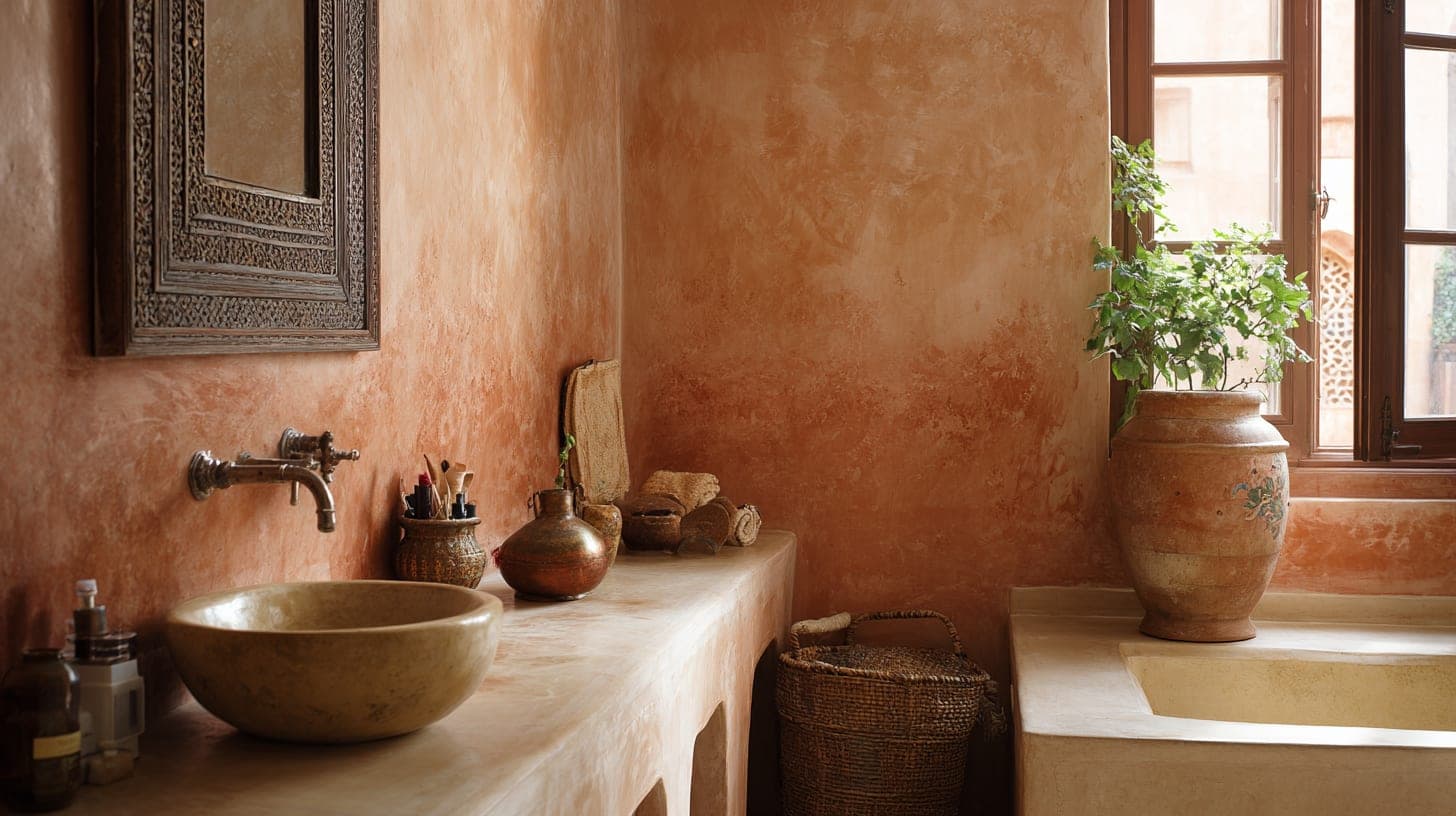
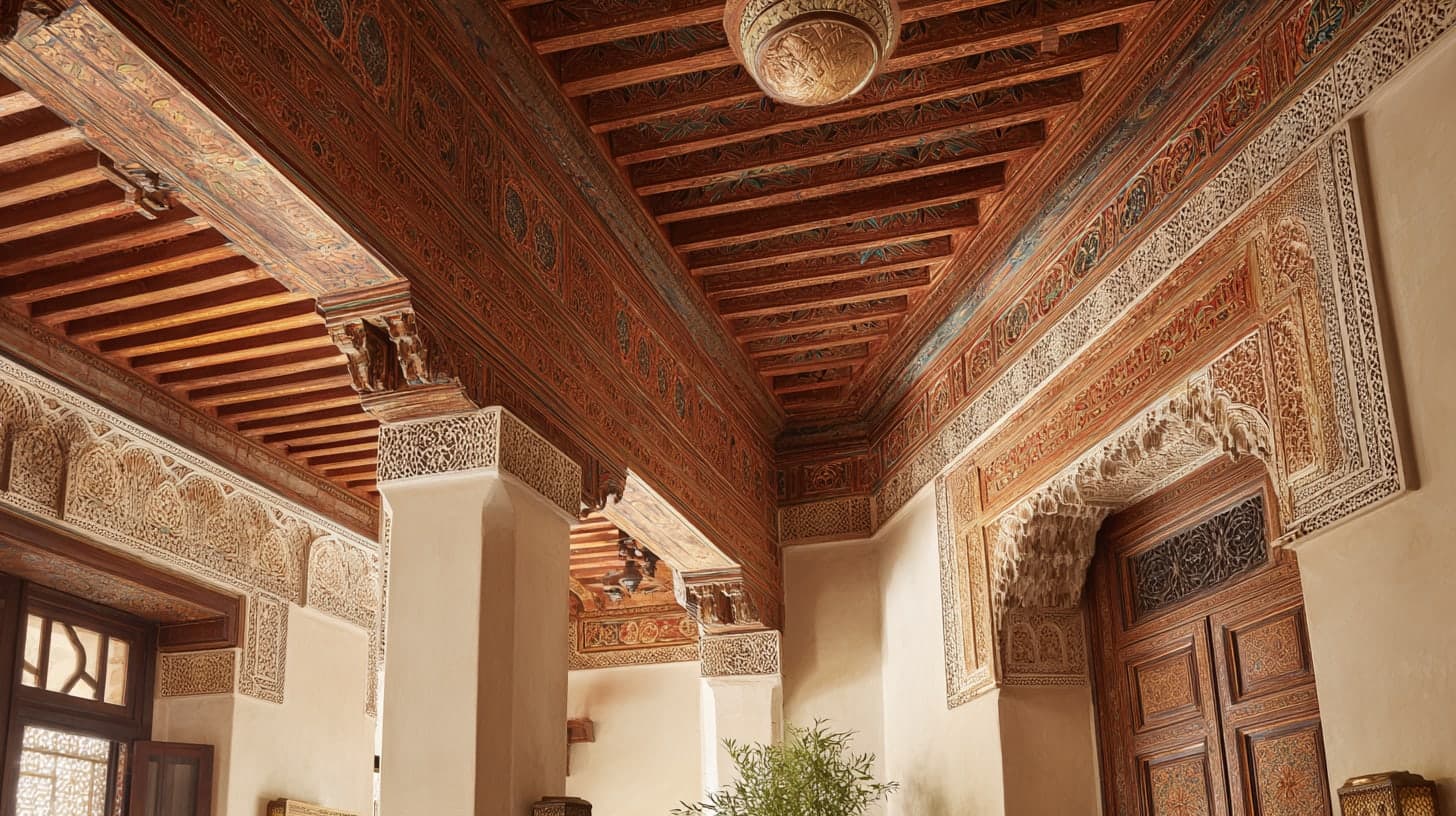
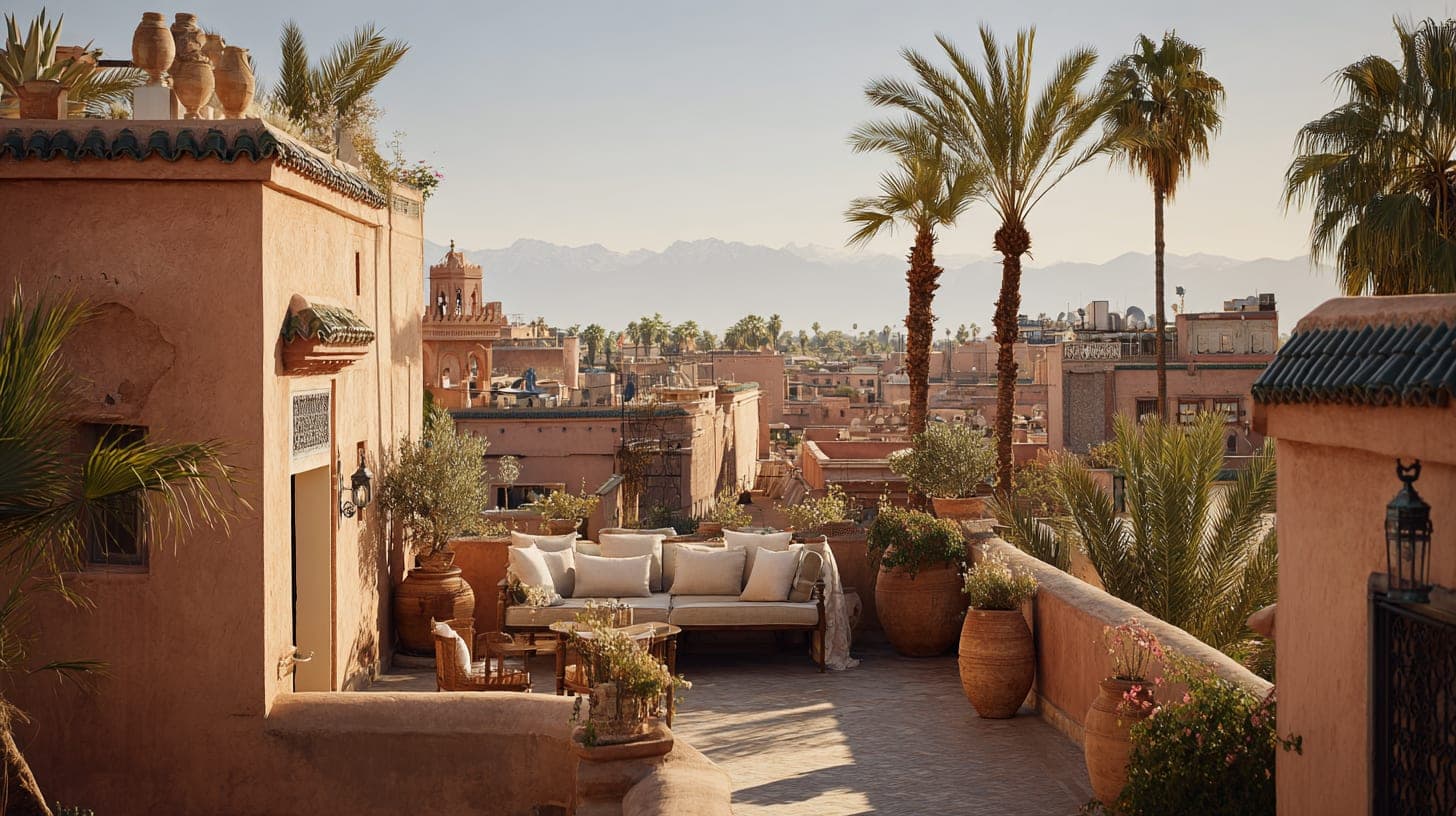
This is not the way most property markets behave. In most countries, the housing stock grows over time — new construction adds units, even as some older properties are converted to other uses. The Moroccan situation in the historical centres is different. The stock of buildings that meet the criteria foreign buyers care about — pre-1900 construction, original lime walls, original cedar ceilings, intact courtyards, location inside the historic walls — is finite, fixed in the absolute, and slowly contracting. Every year more of these buildings leave the market than enter it, and the trend has been steady for at least two decades.
The leakage happens through several different mechanisms.
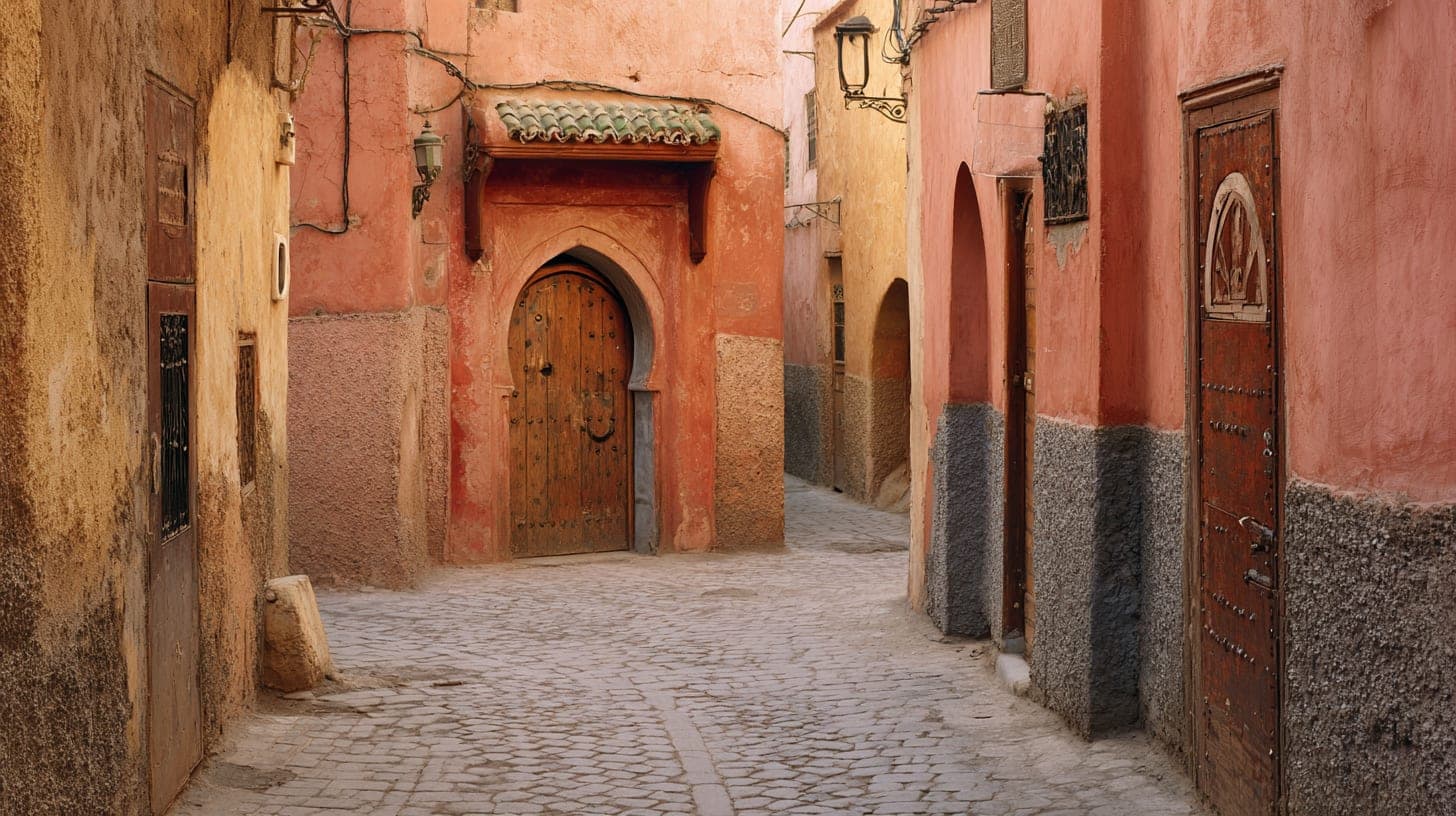
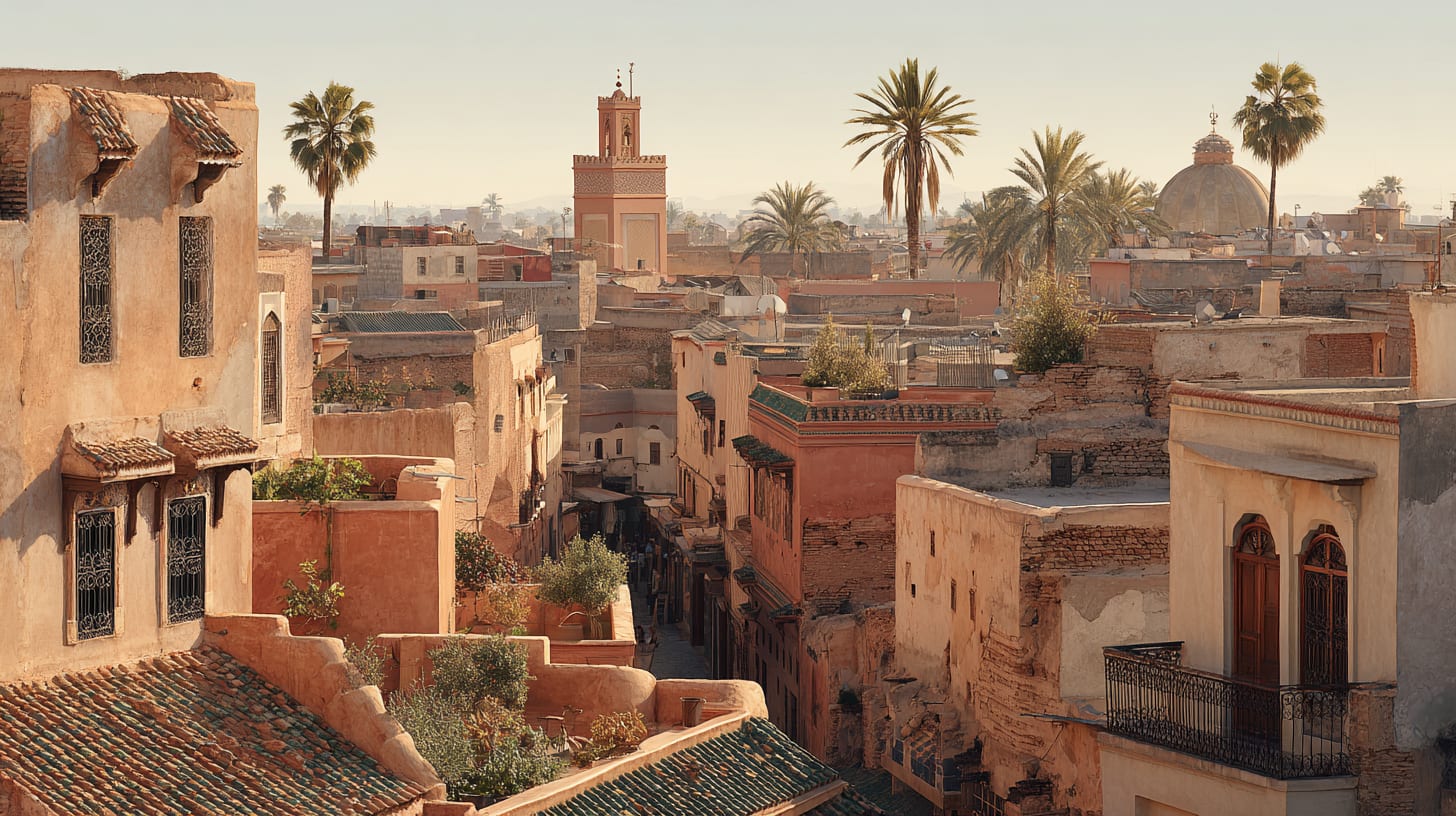
Conversion to commercial use. A meaningful share of the older medina housing in Marrakech, Fez, and Essaouira has been converted from family dwellings to commercial properties — riads operating as guesthouses, dars converted to restaurants, funduqs repurposed as artisan markets, smaller houses split into shops on the ground floor with rentable rooms above. Once a building is operating commercially with a working maison d'hôtes license, it almost never returns to the residential market. The owners are typically reluctant to sell while income is positive, and the property is no longer evaluated as a house but as a small business with a value derived from its revenue. Foreign buyers occasionally buy these as turn-key operations, but the buyer pool for that is narrow and the sale prices are higher than residential equivalents would justify.
Demolition or substantial reconstruction. The medina walls protect against new construction, but they do not protect against demolition or against substantial reconstruction within the existing footprint. Buildings that fall structurally — through neglect, water damage, or occasional fire — sometimes get rebuilt as something new. The replacement is rarely a faithful reconstruction; it is more often a building with concrete floors, plasterboard partitions, modern wiring chased into the walls, and finishes that approximate but do not replicate the original. Once a building has been substantially rebuilt in this way, even if its façade looks correct, it has lost the qualities that make it a serious foreign-buyer property. The market for such buildings is the rental market or the budget tourism market, not the high-end residential market.
Inheritance fragmentation. Moroccan inheritance law, derived from Islamic principles, divides property among multiple heirs in fixed shares. A house owned by a single proprietor at the start of the 20th century may now have fifteen or twenty co-owners, including descendants in three or four countries. Selling such a property requires the agreement of all heirs, often with substantial paperwork and time. Many of these properties are essentially un-sellable not because anyone refuses to sell, but because the process of getting fifteen signatures across multiple jurisdictions is itself prohibitive. The houses sit, sometimes locked and unmaintained for years, deteriorating slowly, until the structural condition becomes severe enough to force a forced sale or a demolition. By the time these houses do come to market, they are usually in worse condition than they were when the original owner died.
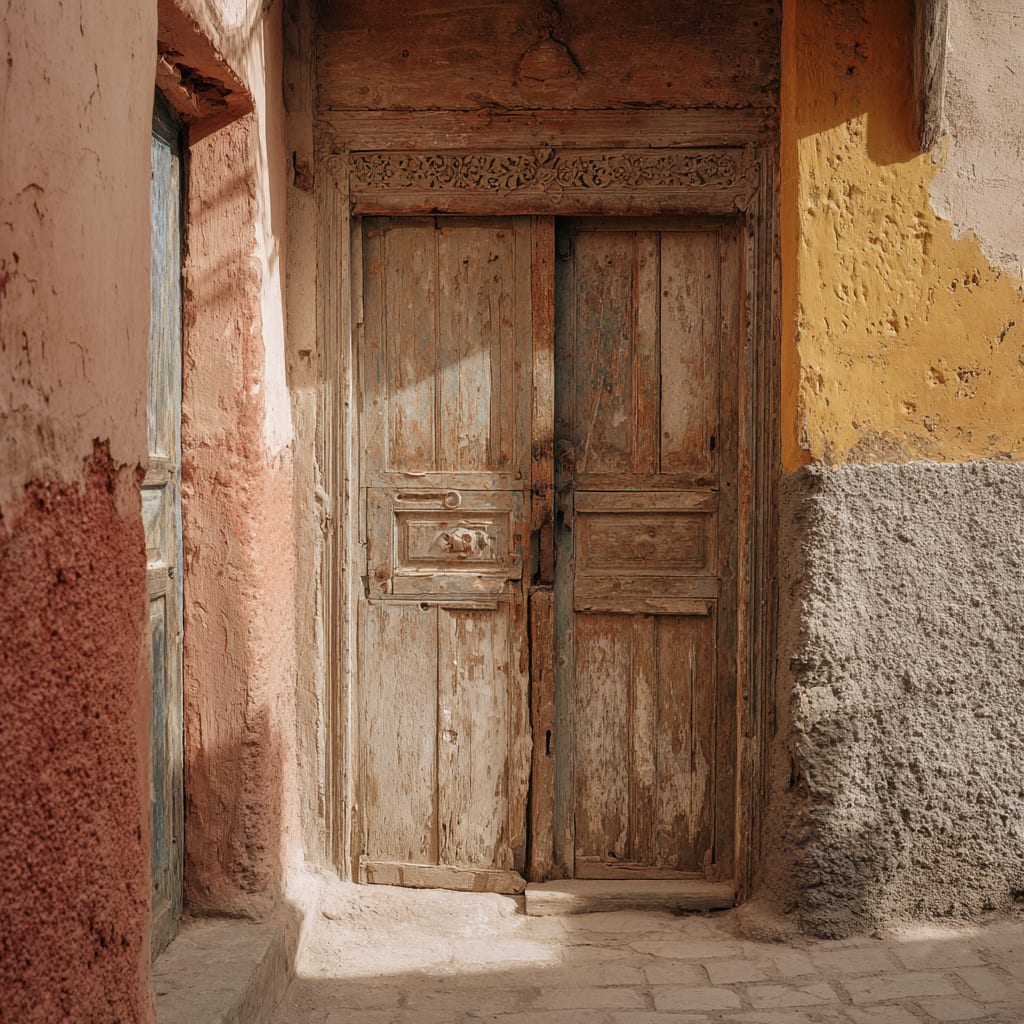
Family retention against modernisation. A subset of older Moroccan families — particularly in Fez, less commonly in Marrakech — explicitly choose to retain their ancestral houses regardless of the prices being offered. The Fez aristocracy of the 17th and 18th centuries left a small number of large houses in the city that have remained in the same families for generations, and many of these will not sell at any price. The houses are not necessarily well-maintained — some are in significant disrepair — but they are held for cultural and lineage reasons that no commercial offer can overcome. From the foreign buyer's point of view, these properties are functionally invisible, although they are sometimes the best examples of the architecture available.
Conversion to expatriate primary residences. Foreign buyers who purchase a riad as a second home and then later move to Morocco full-time effectively remove the property from the resale market for a long period. A property bought in 2018 by a French or American couple as a "we'll spend three months a year here" purchase often becomes a "we live here now" property by 2024, with no listing planned in the foreseeable future. As the foreign buyer cohort grows, this category grows with it. The properties bought during the 2021-2023 wave of remote-work buyers are mostly not coming back to the market, and the market has not yet fully absorbed this fact.
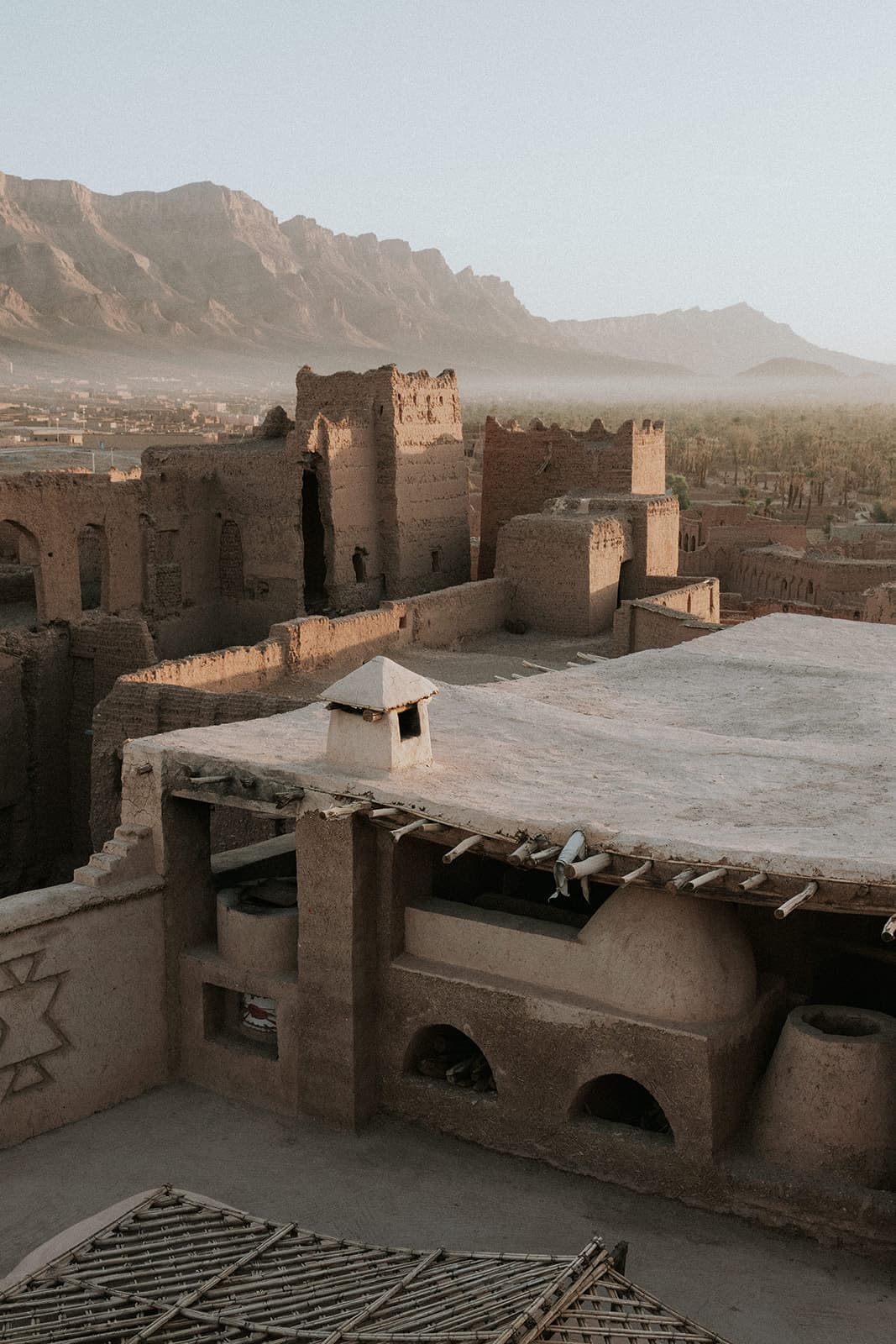
Climate-driven loss in the south. The kasbahs of the southern valleys — Drâa, Dadès, Saghro, the Aït Ben Haddou complex itself — are losing structures every year to the changed rainfall pattern. The pisé construction does not survive intense rainfall events, and the southern valleys have seen more such events in the last decade than in the four decades before. Some of this is recoverable with proper maintenance. Some of it is not. The kasbahs that fall completely usually cannot be rebuilt economically, even if a foreign buyer is willing to fund the work, because the maalems with the necessary skills are scarce and the materials require specific source locations.
Add these forces together and the result is a slow but persistent reduction in the size of the buyable inventory. Estimates from Marrakech-based agency networks suggest that the count of medina buildings of foreign-buyer quality has declined by 15-25% over the last fifteen years, depending on how the category is defined. The decline is not uniform across quarters: Laksour and Mouassine have lost relatively less because both quarters have stable foreign ownership; Riad Zitoun and Bab Doukkala have lost more because more of their inventory has been converted commercially or demolished and rebuilt.
The southern situation is more dramatic. The cataloguing of historic kasbahs done by the Ministry of Culture and various heritage agencies in the 1990s identified roughly 280 kasbahs of "major heritage value" between the High Atlas and the Sahara. A 2023 follow-up study estimated that between 35 and 50 of these had been lost or were beyond economical restoration as of that survey, and the trajectory was accelerating. By 2040, on current trends, the count of recoverable major kasbahs may be below 200.
Two implications follow for anyone considering buying in 2026 or later.
First, the inventory available now is, in some real sense, the best inventory that will ever be available. Properties on the market in 2026 include some that will be removed by 2030 — through commercial conversion, family retention, restoration that takes them off-market for years, or simple withdrawal as owners decide to keep what they have. A buyer who waits five years to enter the market is not waiting for prices to fall; they are waiting for a smaller and lower-quality pool of properties to choose from.
Second, the trajectory makes it more important, not less, to buy carefully. The properties that will hold value across the next twenty years are the properties that have survived the most intact — original lime walls, original cedar, intact courtyard plan, no major modernisation, in a quarter that has stable foreign and Moroccan ownership. Properties that have been heavily renovated, even beautifully, lose some of their resilience because they no longer carry the original fabric. Properties in unstable quarters lose value if their neighbours are demolished. Properties with unresolved title issues become harder to sell as the market becomes more discerning.
The medinas of Marrakech, Fez, and Essaouira contain irreplaceable architecture in finite quantity. The kasbahs of the south contain even more irreplaceable architecture in even smaller quantity, with shorter survival horizons under present conditions. None of this stock is being added to. Most of it is, in absolute terms, declining each year.
This is the central market reality that distinguishes Moroccan historic property from almost any other market a foreign buyer might consider. There is no equivalent of new construction supply to absorb the demand. There is no functional substitute. A buyer who waits to see what happens to the prices is waiting in a market where the asset is leaving the table.
The right question is not whether to buy now. It is which house, in which quarter, with which agent, with which level of protection of the original fabric. The buyer who answers those questions well will own something rare. The buyer who delays will own something that, at any future date, costs more and is harder to find.