The land question
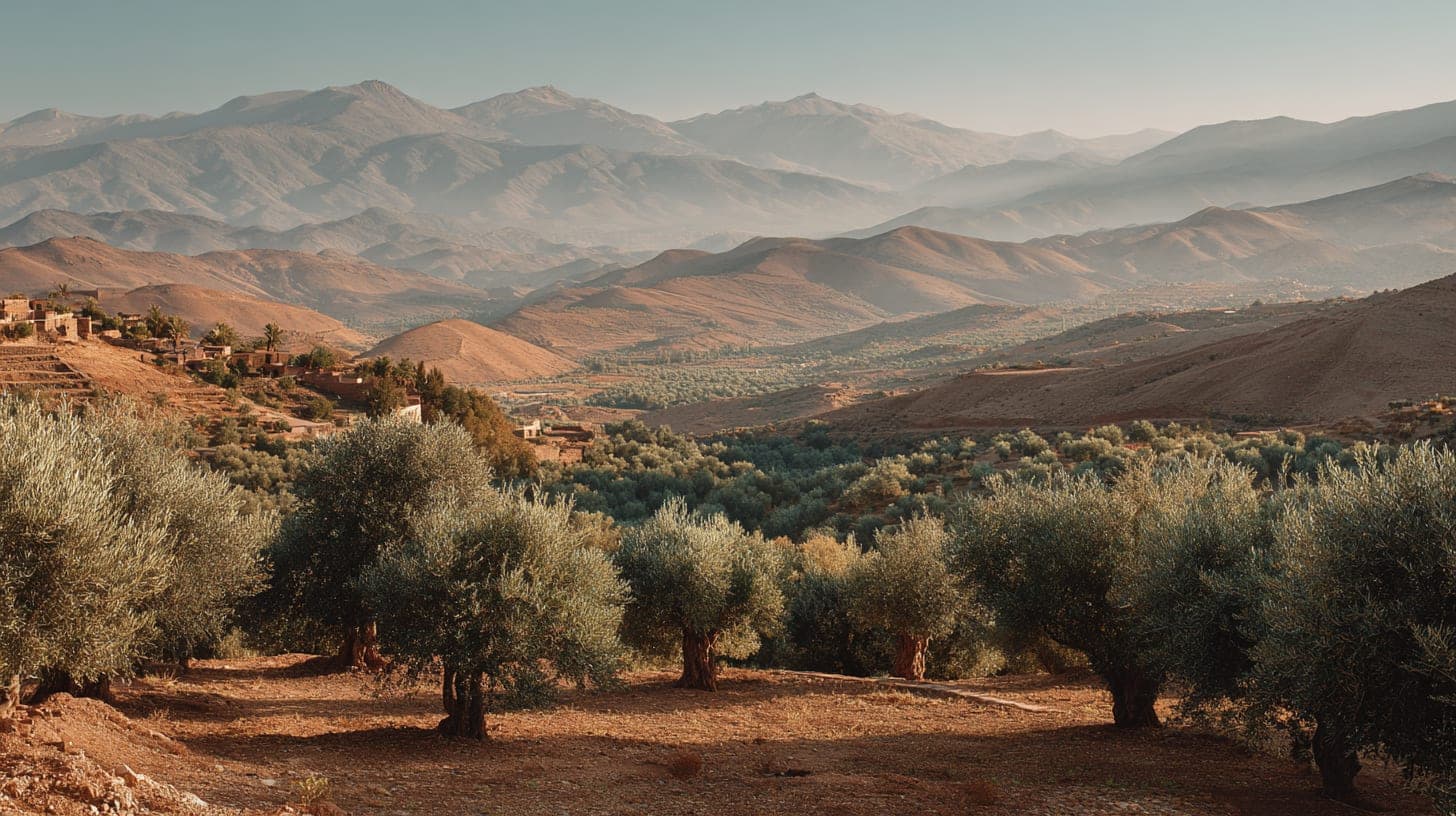
The land question
What a foreign buyer actually buys when they buy land in Morocco, and where the boundaries are.
A house in the medina is one kind of Moroccan property. Land outside the medina is another kind entirely.
Foreign buyers who arrive looking for "a house in the country" or "a small farm near Marrakech" usually do not yet know that Morocco has multiple legal categories of land, that the categories carry different rights and restrictions, and that some of them are not available to foreign buyers at all. This is not a small administrative detail. It is the central question of any rural property purchase in Morocco, and getting it wrong is one of the most expensive mistakes a foreign buyer can make.
There are five categories worth understanding.
Titled land (titre foncier) is the gold standard. It is registered at the Agence Nationale de la Conservation Foncière, du Cadastre et de la Cartographie (ANCFCC), has a clear boundary survey, a clear ownership chain, and is legally transferable to anyone, foreign or Moroccan, subject only to the standard purchase procedures. Most urban land in Morocco — meaning land within municipal boundaries — is titled. Outside cities, the share of titled land drops sharply. In the palmeraie north of Marrakech and the more developed areas of the Ourika valley, perhaps 60-70% of land is titled. In the rural foothills of the Atlas, the figure can drop below 20%.
Melkia land is held under the customary Islamic law title. It is not registered with ANCFCC and has no formal boundary survey. The ownership chain is established through a combination of family records, the adoul (notarial witnesses), and the testimony of neighbours. Melkia land can be sold to foreign buyers, but the procedure requires a réquisition — a formal application to convert the melkia into a titre foncier — which can take six to eighteen months and adds 3-5% to the transaction cost. Melkia land in good locations is often the most interesting category for a buyer who wants a working farm or an authentic rural property, because it has not been comprehensively surveyed and re-priced and often comes with original buildings, original irrigation rights, and original boundaries that have not been disturbed for a century.
Collective land (terres collectives) is held by tribal collectives, governed by traditional structures, and is not available for sale to anyone — Moroccan or foreign — outside the collective. This is one of the largest land categories in rural Morocco. Vast areas of the Atlas foothills, the Drâa Valley, the Souss plain, and the High Atlas pasture lands are collectively held. The 2019 land reform created procedures for converting some collective land to private title, but the procedures are slow, contested, and politically sensitive. A foreign buyer who is shown "a beautiful piece of land" outside Marrakech needs to confirm immediately, through the moqaddem of the local douar and through the cadastre records, whether the land is titled, melkia, or collective. If it is collective, the deal cannot proceed legally, regardless of what any individual claims to own.
Habous land is held in religious endowment, similar to habous-held urban properties. It cannot be sold under any circumstances. Habous land is more common than foreign buyers expect — significant tracts of agricultural land around major cities, particularly land historically attached to specific mosques or zaouias, are held in habous. The land can be leased, sometimes for very long periods (50 or 99 years), but never sold. Some apparent "sales" of habous land are actually long-lease assignments, which require completely different documentation and protections.
Domain land is land owned by the Moroccan state. It includes most forests, most large rivers and their immediate watersheds, the maritime zone, and a substantial inventory of agricultural and industrial land held by various state agencies. Some domain land has been opened to private purchase under specific programmes — the Plan Maroc Vert agricultural development scheme, for example, made some agricultural domain land available to qualified buyers — but these are exceptional programmes with restrictive conditions. Most domain land is not available, and any offer of domain land to a foreign buyer should be viewed with extreme suspicion.
The agricultural land question. Foreign buyers cannot, in general, buy agricultural land in Morocco. The 1973 Loi sur l'Investissement Agricole restricts agricultural land ownership to Moroccan nationals and to specific corporate structures with majority Moroccan ownership. A foreign individual cannot buy a parcel that is classified agricultural in the cadastre, regardless of price or willingness to pay. There are workarounds — establishing a Moroccan corporate entity with a Moroccan partner, structuring purchases through long-term leases, working with developers who have already obtained the necessary permissions — but each workaround carries cost, complexity, and ongoing legal risk. A foreign buyer who is told "you can just buy this farm in your own name" is being told something incorrect, and the source of the incorrect information is worth investigating.
The rural building question. Even when land is titled and available to foreign purchase, the right to build on it is separate. Building permits in rural areas are issued by the relevant commune rurale and are subject to a regional master plan (Schéma Directeur d'Aménagement Urbain). A piece of rural land may be titled, owned by the seller, transferable to a foreign buyer, and still not buildable for a primary residence — because the master plan classifies it as agricultural-only, or as zone-non-aedificandi for environmental reasons, or as falling within a buffer zone for some protected area. The buyer who completes the title transfer and then discovers they cannot build a house has no remedy other than to resell the land, often at a loss.
What this means in practice. A foreign buyer interested in a rural property near Marrakech needs to clarify, before any deposit is paid, the answers to four specific questions:
- What is the cadastral status of the land — titled, melkia in process of titling, melkia not in process, collective, habous, or domain?
- What is the agricultural classification — buildable, partially buildable, agricultural-only, or non-buildable?
- What is the irrigation and water situation — does the land come with documented water rights, and are those rights subject to the new water management rules of the 2020 reforms?
- What is the local political and customary situation — does the douar and the relevant commune rurale support foreign ownership in this specific location, or is there friction?
Each of these questions requires real local knowledge to answer. A notaire can verify the cadastral status. A surveyor can confirm the agricultural classification. The water rights question often requires consultation with the Office Régional de Mise en Valeur Agricole (ORMVA) for the relevant region. The political and customary question requires a person who actually knows the local moqaddem, the local adoul, and the dynamics of the specific douar.
The most common mistakes. First, the buyer who pays a deposit on land that turns out to be collective or habous — usually losing the deposit, because the seller's representations were misleading but the contract did not specify a clean-title condition. Second, the buyer who buys titled land and discovers it is non-buildable — almost always recoverable through a sale at a discount, but the discount can be substantial. Third, the buyer who agrees to a corporate structure for agricultural land ownership without fully understanding the ongoing legal exposure — these structures can work for sophisticated buyers with good legal advice, but they require ongoing maintenance and they create vulnerabilities that purely individual ownership does not. Fourth, the buyer who relies on the seller's documentation alone, without independent verification through the Conservation Foncière — Morocco has a small but active fraud problem in rural land, and the documentation a seller produces is not always what it appears to be.
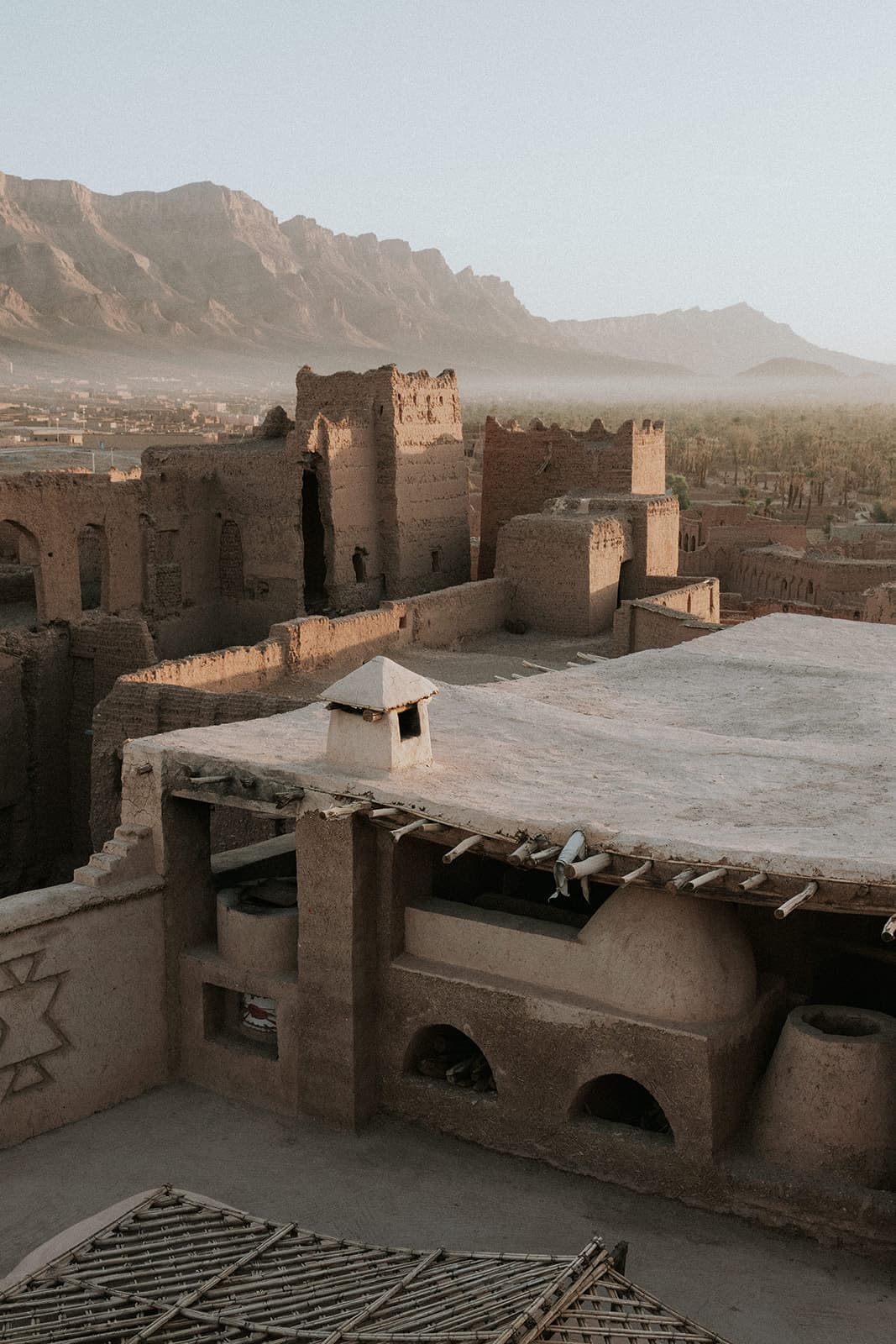
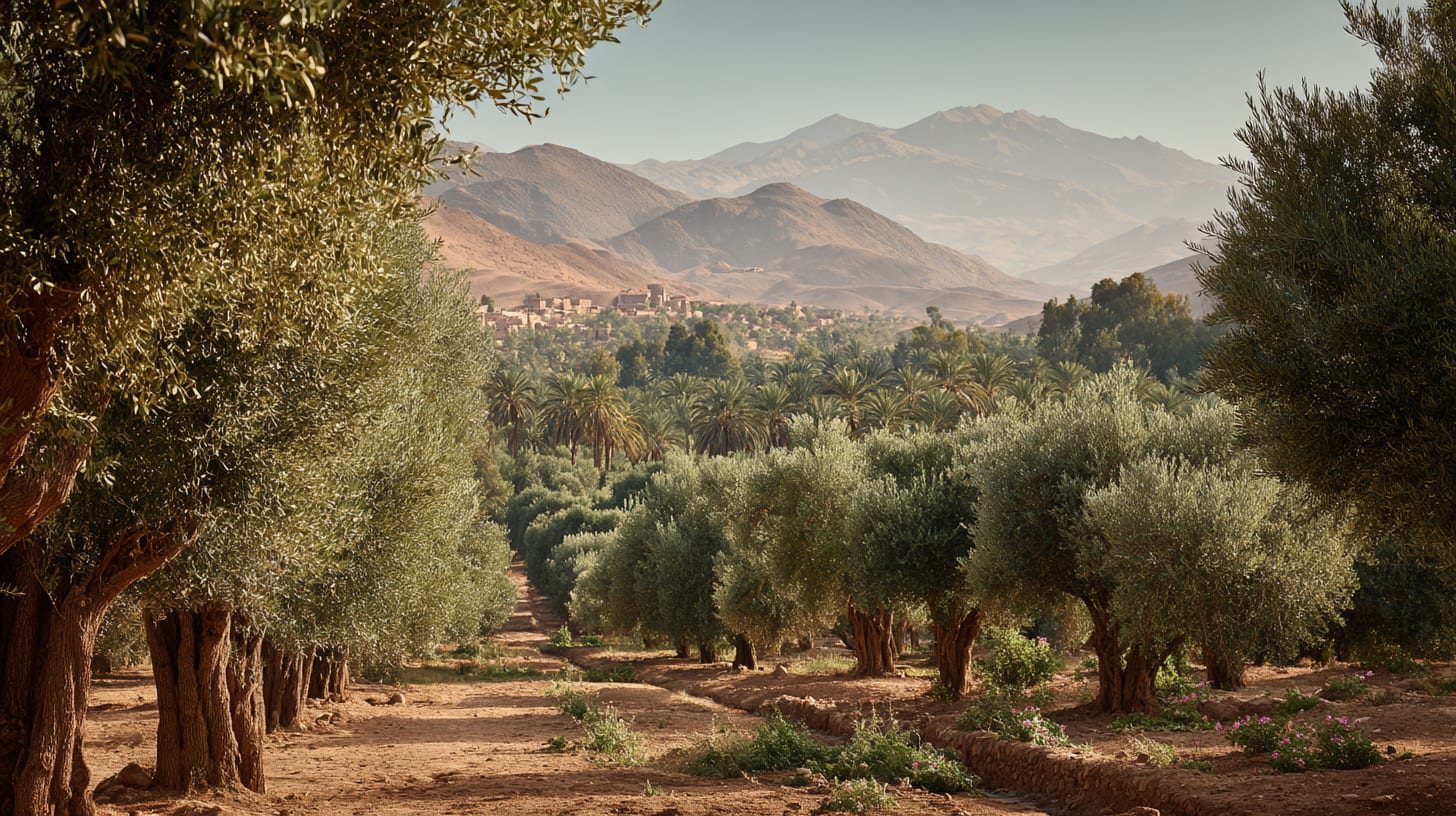
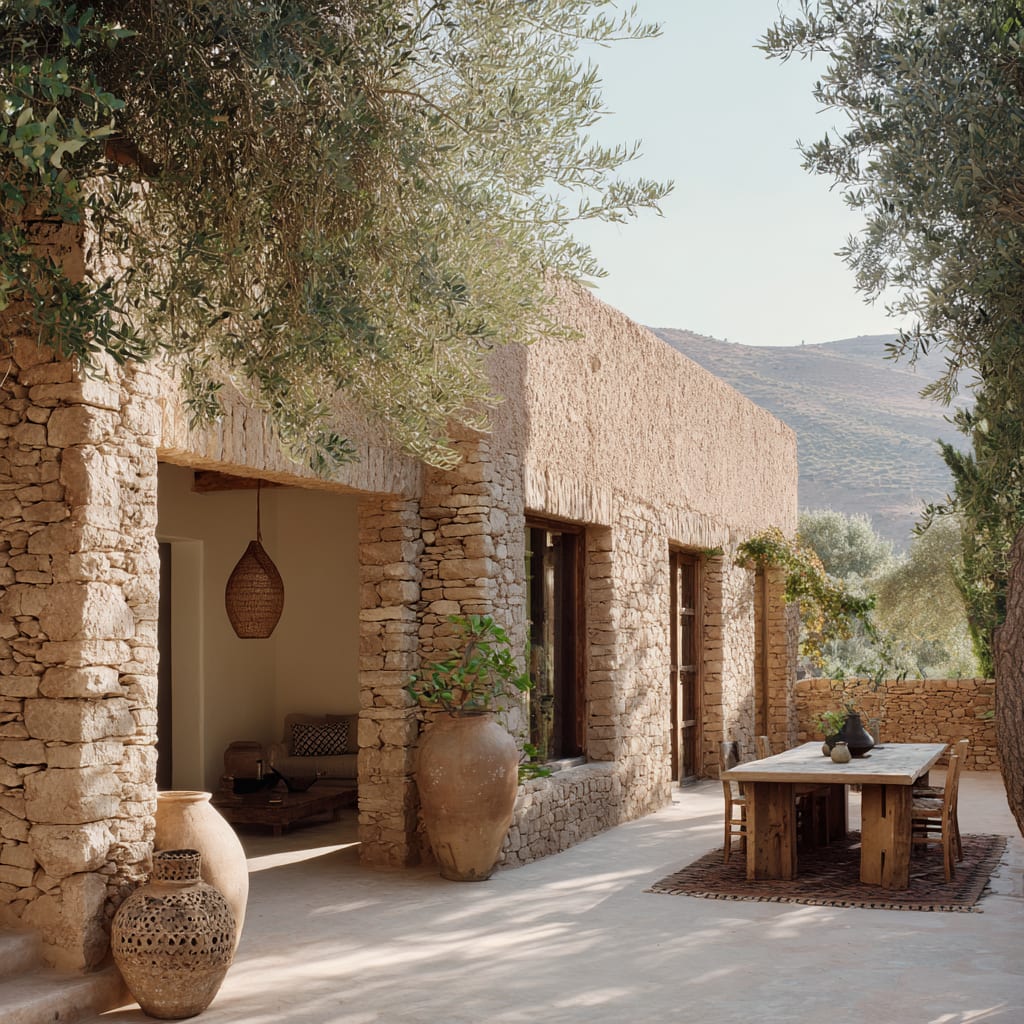
The interesting opportunities. Despite all of this, rural Morocco contains some of the most interesting property opportunities in the Mediterranean basin. Titled small parcels in the Atlas foothills with original stone-and-pisé farmhouses, traditional irrigation, olive groves, and walking access to mountain villages are still available at prices that would be impossible in Provence, Tuscany, or Andalucía. Restored farmhouses in the Ourika valley, the Asni area, the Imlil corridor, the Ouirgane valley, and the lower Drâa are coming to market regularly. Buyers who do the work to verify the legal situation properly find that the rural Moroccan property market is one of the last in the developed-world adjacent regions where genuine value remains.
The land in Morocco is not a property market in the way the medina is a property market. It is a more complex set of overlapping legal regimes, customary practices, and regional dynamics that requires real local knowledge to navigate. A buyer who treats it casually loses money. A buyer who treats it carefully gains access to a category of property that is increasingly rare and increasingly difficult to find anywhere else.