A morning walk in Laksour
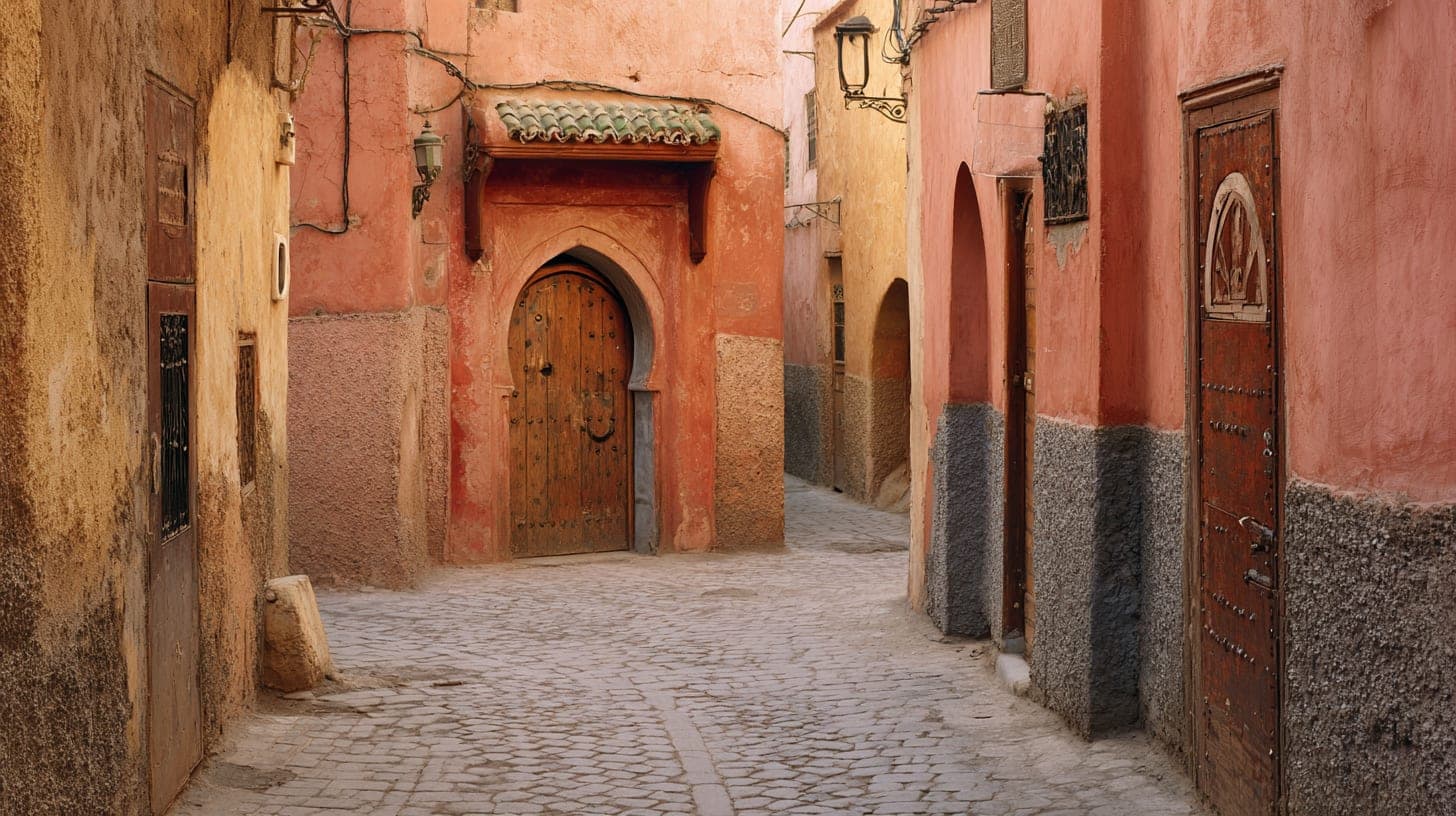
A morning walk in Laksour
Before the souks open, the medina belongs to the bakers and the cats.
The medina is quiet at six in the morning.
The shops are still shuttered. The carts have not yet started moving. The cafés on Rue Bab Doukkala have one or two early customers nursing the first coffee of the day, but most of the city is still asleep. The light is grey and even, the sky still pale, and the only sustained sound is the swallows that nest in the high windows of the Mouassine mosque, calling to each other across the rooftops.
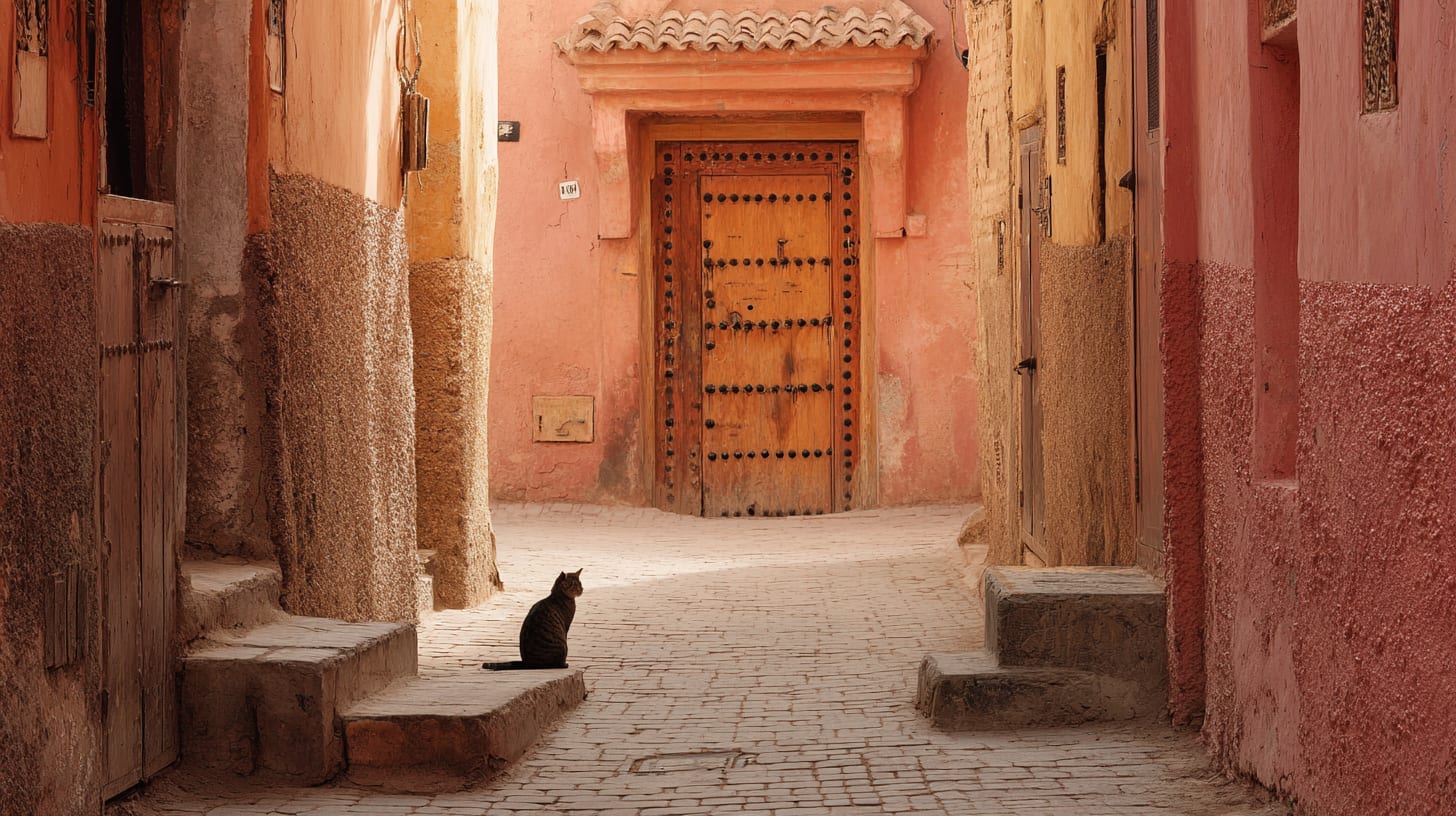
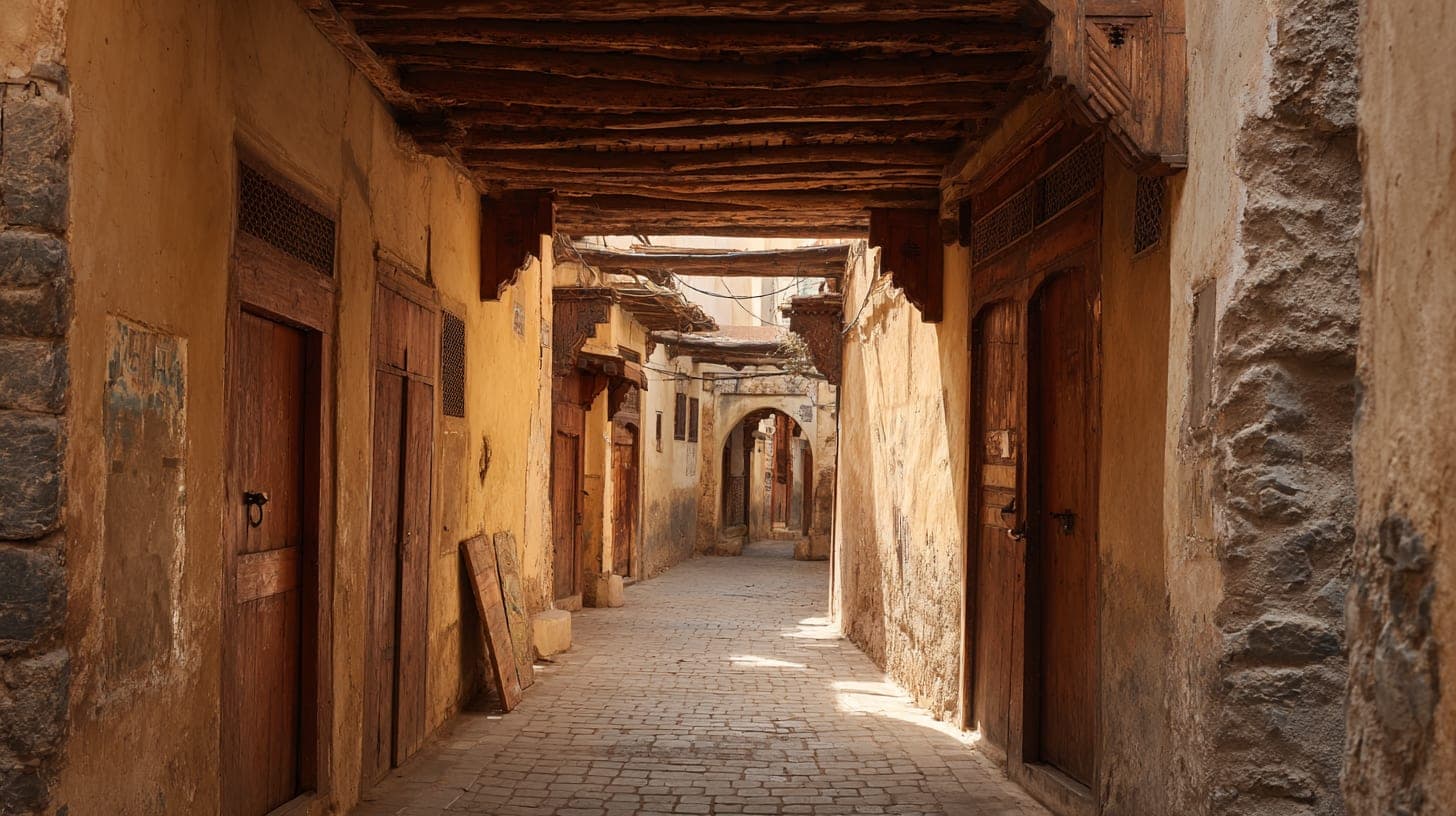
Walk out from a Laksour riad in this hour and the medina is nearly empty. The lanes that will be impassable by ten — packed with motorbikes, donkey carts, hawkers, schoolchildren, tourists, men carrying refrigerators on their backs — are open and silent. The cats own them. They sit in doorways and on top of low walls, watching, occasionally following a few steps behind out of curiosity. The medina cat population is large, semi-feral, and surprisingly social if you walk slowly. They have figured out the rhythms of the city better than most humans.
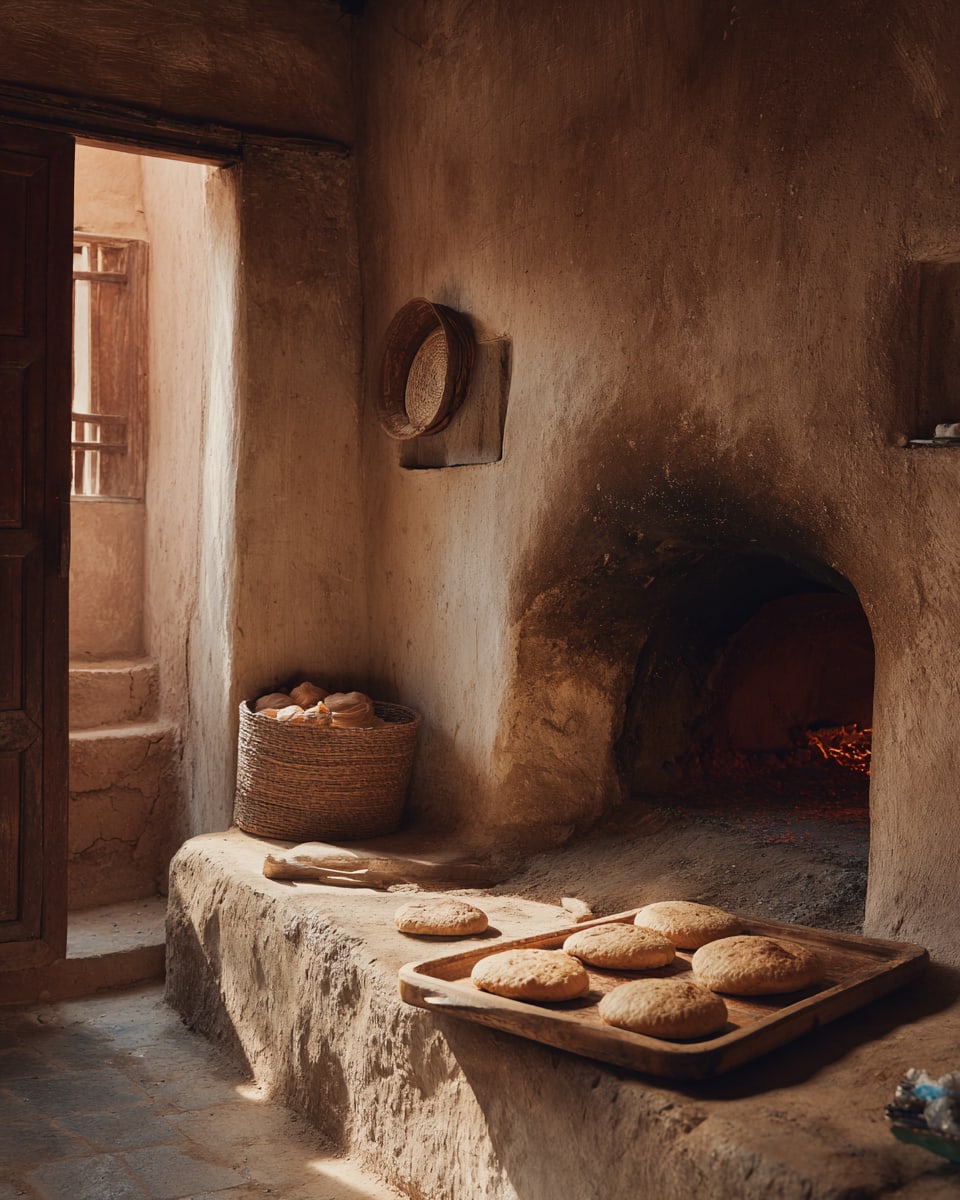
The first sign of activity comes from the bread ovens. Every quarter of the medina has at least one ferran, a communal bread oven where neighbourhood households send their morning bread to be baked for a small fee. The ovens are built into the walls of older buildings, fired with olive wood or scrap wood, run by a single ferrane who arrives before dawn to start the fire and accepts the trays of unbaked dough that arrive on small boards carried by women, children, and sometimes the household's elderly grandfather. The ovens stay hot all morning. By seven the smell of fresh khobz is everywhere in Laksour, drifting along the lanes from doorway to doorway.
Watch the bread come out of the oven. Each loaf has the household's mark on it — a fingerprint pattern, a slash from a knife, three pricks with a fork, a small cut at the edge. The marks are how the ferrane keeps track of which bread belongs to which house, since dozens of identical-looking loaves go in and come out across the morning. Each family's mark is consistent, often inherited; the fingerprint pattern of a particular household has sometimes been used by the women of that house for fifty years.
By seven-thirty the ferrane is busiest. The bread is going home, the children are starting school, the men are beginning to open their shops. The moussem of small movements that defines a Marrakech morning has begun. A woman in a djellaba walks past carrying a tray of loaves balanced on a folded cloth on her head. Two boys run past her with a tray of dough on its way to the oven. An old man in a wool taguia sits on a stone step outside his front door, watching the lane, drinking the first glass of mint tea of the day. He nods as you pass. You nod back.
In Laksour specifically, the morning has its own particular character. Laksour is a residential quarter — fewer tourist riads than Mouassine, fewer leather shops than the souks proper, more original families still living in the houses they have lived in for two or three generations. The morning here is not the morning of a tourist district waking up to receive its visitors. It is the morning of a neighbourhood: the small grocer opening his shop, the woman sweeping her doorstep, the schoolchildren in their grey-and-blue uniforms gathering at the corner waiting for the bell of École Sidi Bel Abbès to call them in.
There is a moment somewhere between seven and eight when the first calls of the merchants begin to surface — a fruit seller pushing his cart, calling out the prices in a tone that has not changed in centuries; a man with a loudspeaker on a small cart announcing that he has come to buy old gas cylinders. These first commercial sounds mark the end of the early hour and the beginning of the working day. From this point onwards the medina belongs to its trades, and its quiet is gone until the next morning.
The cats stay for a while longer. They do not particularly care about the working day.
Anyone who lives in a riad in this quarter has a relationship with this hour. The riad itself is silent because of the architecture, as we have written elsewhere; but stepping out of the front door at six and walking ten minutes through the quarter before returning for breakfast is a habit that older foreign residents tend to fall into within a few months. It is the part of the day when the medina shows you what it actually is, before the layer of commerce arrives and covers it. The buildings, the proportions, the way light moves through the lanes, the textures of the walls — all of it is more visible without the human density of midday.
There is also a question of where you walk. The lanes of Laksour are narrow and winding, and most maps misrepresent their geometry — Google Maps in particular shows lanes that do not exist and omits lanes that do. A morning walk has to be done by feel. After a few weeks you learn that the lane to the right of the small green door near the Mouassine fountain takes you past the funduq with the carved cedar lintel, then to a small open square where two old men play carrom in the afternoon, then through a covered passage that emerges near the bakery on Rue de Bab Doukkala. After a few months you have several routes of this kind, and the walk becomes a small practice rather than a navigation problem.
Visitors who stay for three nights miss this. They sleep through the morning, breakfast at nine, and emerge into the working medina with the rest of the tourists. The walk from the riad to Jemaa el-Fnaa takes the same time it would have taken at six but feels different — louder, more contested, more performed. The morning has been replaced by the working day.
For people who come back, this is part of why. Not the souks. Not the food. Not the destinations. The early hour, when the lanes are open and the bakers are working and the cats are watching from the walls. It is one of the cheapest pleasures available in any city in the world, and one of the most overlooked.